Does Demolition Need Planning Permission?
Find out when demolition needs planning permission or prior approval. Clear guidance on demolition in conservation areas, pubs, listed buildings, unsafe structures, monuments, and permitted development restrictions.
PLANNING APPLICATIONSPERMITTED DEVELOPMENT
Andrew Ransome
12/4/20254 min read
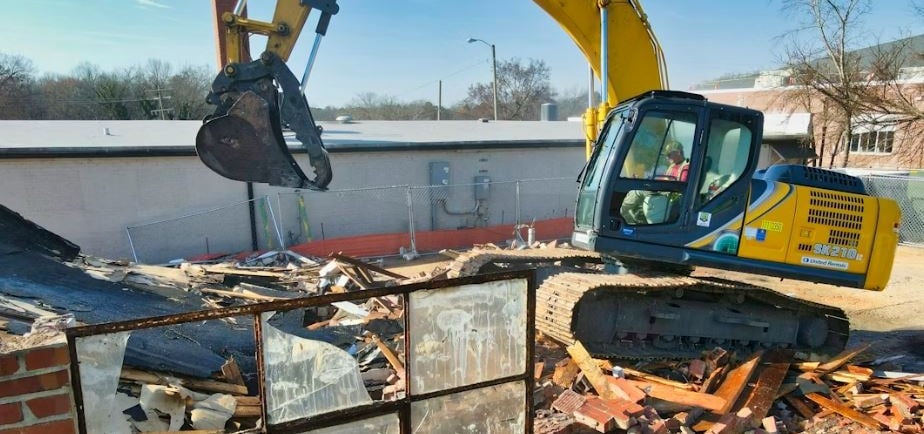
Demolition often looks like a straightforward step in a redevelopment project, but in planning law it is heavily regulated.
Whether you need planning permission—or “prior approval”—depends on several factors, including the size and type of building, its use, and where it is located.
Failing to follow the correct procedures can result in enforcement action or even criminal liability, so it is essential to check requirements before any work begins.
This guide brings together the key points set out in planning legislation, case law, national Directions, and the Planning Portal’s advice to help you understand what is required when considering demolition.
1. Is Demolition Development?
Under the Town and Country Planning Act 1990, demolition is usually considered a form of “development” because it falls within the definition of building operations under section 55(1A). This means demolition normally requires planning permission unless it is excluded by legislation or benefits from permitted development rights.
However, some demolitions do not count as development.
The Town and Country Planning (Demolition – Description of Buildings) Direction 2021 sets out specific exceptions:
Buildings of less than 50 cubic metres
Gates, fences, walls and means of enclosure (except in conservation areas)
If demolition is not classed as development, planning permission is not required. But in most cases, demolition is development and further controls apply.
2. Demolition in Conservation Areas
Demolition within a conservation area is subject to stricter controls, and most buildings require an application for planning permission for relevant demolition.
It is a criminal offence under section 196D of the Town and Country Planning Act 1990 to demolish an unlisted building in a conservation area without the necessary permission.
However, certain exceptions apply:
Demolition Not Requiring Planning Permission
Planning permission is not required in the following cases:
a) Buildings under 50 cubic metres - Demolition is not considered development where a building’s volume does not exceed 50 cubic metres, in line with the Town and Country Planning (Demolition – Description of Buildings) Direction 2021.
b) Buildings and structures covered by the Conservation Areas Direction 2015 - Under the Conservation Areas (application of section 74 of the Planning (Listed Buildings and Conservation Areas) Act 1990) Direction 2015, the following demolitions are permitted development under Part 11 of the GPDO:
Any building with a volume under 115 cubic metres (and not captured by the 50m³ exemption above).
Gates, fences, walls, and enclosures:
Less than 1 metre high where they abut a highway, waterway or open space, or
Less than 2 metres high in any other location.
In these cases, a full planning application is not required because planning permission is automatically granted by the GPDO. However, prior approval from the local planning authority may still be needed regarding:
the method of demolition, and
the restoration of the site.
Important Limitations on Permitted Development
Demolition is not permitted by Part 11 where:
A building has been made unsafe or uninhabitable through the action or inaction of anyone with an interest in the land, and
The building can be made safe through repair or temporary support.
In these circumstances, full planning permission for demolition is required.
3. Listed Buildings and Scheduled Monuments
Listed buildings and scheduled monuments located within conservation areas fall under separate legislation:
Demolition of listed buildings is controlled by the listed building consent system.
Demolition of scheduled monuments may require scheduled monument consent.
Planning permission or prior approval is not required for their demolition under the planning system, but the appropriate specialist consent is mandatory.
4. Demolition of Pubs and Drinking Establishments
Demolition of:
pubs
drinking establishments
drinking establishments with expanded food provision
always requires full planning permission. These uses are specifically excluded from permitted development rights under the GPDO.
5. Demolition of Theatres, Concert Halls, and Music Venues
Buildings used as:
theatres
concert halls
live music venues
cannot be demolished under permitted development rights. An application for full planning permission is required before any demolition can take place.
6. Unsafe or Uninhabitable Buildings
Demolition may be required for safety reasons, but where a building has been made unsafe by the action or inaction of anyone with an interest in the land, and where safety could reasonably be secured through repairs or temporary support, permitted development rights do not apply.
In these cases, full planning permission is required for demolition.
7. Statues, Memorials and Monuments
Outdoor statues, memorials, and monuments that have been in place for at least 10 years may require planning permission for demolition unless they fall within specific exemptions. These structures also have their own exclusions within the GPDO.
8. When Permitted Development Rights Do Not Apply
Even where demolition might normally be permitted development, PD rights do not apply when the demolition:
is on land subject to a planning permission for redevelopment
is required or permitted by another enactment
is required by a planning obligation (e.g. a Section 106 agreement)
In these circumstances, demolition must comply with the relevant permission or legal requirement.
9. Prior Approval for Demolition
Where demolition is permitted development under the GPDO (Class B of Part 11), it is usually subject to Prior Approval.
This process requires the developer to:
submit details of the proposed demolition and restoration
display a site notice for 21 days
wait for the local authority to determine whether prior approval is needed
Demolition may only begin once:
the authority states prior approval is not required,
prior approval is granted, or
28 days pass with no response.
Starting demolition without satisfying Prior Approval requirements makes the work unlawful.
10. Demolition Does Not Guarantee Consent for New Development
Being able to demolish a building does not guarantee that permission will be granted for:
a replacement building,
redevelopment of the site, or
a change of use.
Even in cases where a building has been damaged by fire, storm, or neglect, development proposals will still be determined on their planning merits.
11. Always Seek Early Advice
Because the regulations around demolition are complex and highly dependent on context, you should always:
seek advice from your local planning authority, or
speak to a planning consultant before work begins.
Early advice helps avoid delays, enforcement action, and costly mistakes.
Andrew Ransome MRTPI - Email: andrew@andrewransome.co.uk
About me
Andrew Ransome is a Planning Director and a Chartered Member of the Royal Town Planning Institute (RTPI), with more than two decades of experience in town planning.
He specialises in delivering strategic planning solutions for complex developments across both rural and urban environments, helping clients navigate planning challenges and unlock development opportunities. Connect with Andrew on Linkedin.




Get in Touch
Email: andrew@andrewransome.co.uk
Tel: 020 7096 8045
London Office:
60 Tottenham Court Road
Fitzrovia
London
W1T 2EW
© 2026 Andrew Ransome Town Planning Ltd. All rights reserved.
Content on this website is provided for general information and educational purposes only and does not constitute formal planning, professional, or legal advice. Planning policies, legislation, and guidance are subject to change. Site-specific assessment by a qualified consultant is recommended before making development decisions.
Projects highlighted across this website represent professional work undertaken by Andrew Ransome throughout his career.