The “Approved Plans” Condition: Why It Matters More Than You Think
This guide explains the “approved plans” condition in planning permissions—why it matters, how it protects homeowners and developers, and what to watch out for when carrying out building work.
PLANNING CONDITIONS
Andrew Ransome
11/17/20254 min read
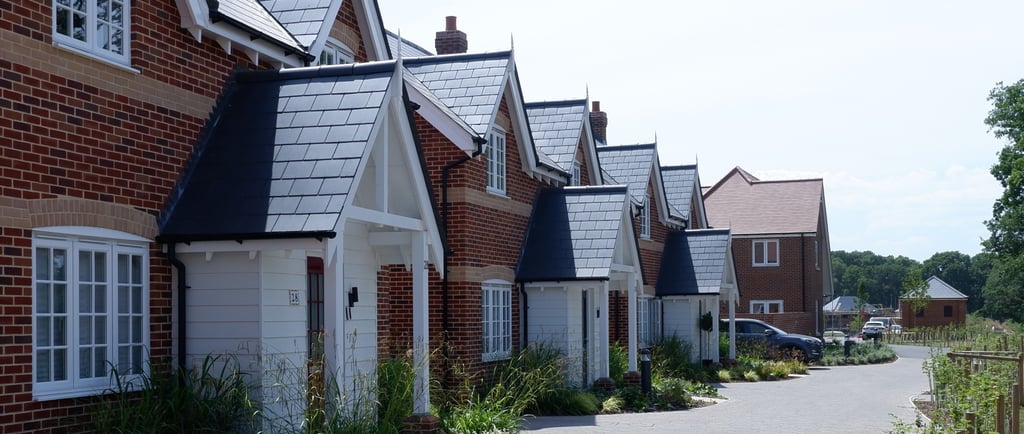

If you’ve ever had planning permission granted—whether for an extension, loft conversion, or new build—you’ve probably seen a condition on the decision notice that lists the “approved plans.” It can look like a boring bit of admin: a list of drawing numbers you may never have noticed before.
But this little condition is one of the most important parts of your permission. It sets out exactly what you’re allowed to build and protects you if things change later on.
Let’s break down why the approved plans condition deserves your full attention.
What Is the Approved Plans Condition?
In simple terms, the approved plans condition is the part of your planning permission that lists the drawings the council has signed off.
These drawings show the design, layout, scale, and key details of your proposed development.
The condition usually looks something like this:
“The development hereby permitted shall be carried out in accordance with the following approved plans: [list of plan numbers].”
It might not feel exciting, but this statement establishes the definitive version of your project in the eyes of the planning system.
Why Do Local Authorities Include This Condition?
Although national planning guidance has shifted over the years, it remains good practice for councils—and planning inspectors—to include this condition. The reason is simple:
It creates certainty.
Everyone involved in the project should be able to point to a clear, unambiguous set of drawings and know: this is what has been approved.
It helps:
You, the applicant
Your architect
Your builder
The council
Neighbours and other interested parties
Without this condition, there’s much more scope for confusion—or disagreement—about what is actually permitted.
It Also Protects You If You Need to Make Changes Later
The approved plans condition has another major advantage many homeowners and developers don’t realise:
It allows you to apply for a “minor material amendment” under Section 73.
This is the process for tweaking a design that has already received planning permission. Want to reposition a window? Adjust the roof pitch? Change the layout slightly?
You can often do this through a simpler amendment application—but only if your original permission has an approved plans condition.
If it doesn’t, you may be forced to submit a whole new planning application for changes that should have been straightforward.
That’s why, in some cases, applicants even ask for a plans condition to be added after the fact using Section 96A—just so they have the flexibility to amend later.
When You Might Not See an Approved Plans Condition
Although it’s common, there are situations where this condition isn’t appropriate or necessary. For example:
A change of use only: If no physical alterations are proposed, there may be no relevant plans to list.
Outline planning permissions: These often include only indicative drawings unless a masterplan or parameters plan has been formally agreed.
Development already built: Sometimes the inspector simply references the plans in the main decision text rather than using a full condition.
But in most cases—especially where physical works are involved—you should expect to see it.
Why Listing the Plans Properly Is So Important
A good approved plans condition should list every plan clearly, using:
Drawing numbers
Plan titles
Or submission/receipt dates where necessary
Sometimes, if there are many drawings, councils attach them all as a separate schedule.
This level of detail avoids disputes later.
Imagine a builder says, “I thought the window was meant to go here,” or the council says, “We didn’t approve that rooflight.”
With a properly worded condition, there’s no ambiguity.
What If the Plans Contain Something Unacceptable?
Sometimes, a drawing includes a detail that isn’t acceptable on its own, but not serious enough to justify refusing the whole application. In such cases, the approved plans condition can be tweaked to exclude that element—for example:
“Except for the rear dormer shown on plan XYZ…”
This allows the rest of the development to go ahead without delay while making clear which part must be omitted.
The Approved Plans Condition Isn’t a Catch-All
It’s important to understand what this condition cannot do.
It does not require every feature shown on the plans to be:
Built
Maintained
Or kept in perpetuity
It only ensures that if you build something, it must match what has been approved.
So, if the council wants to guarantee that certain features—like parking spaces, bin stores, landscaping, or boundary treatments—are actually delivered, they must add extra conditions to secure them.
This is why your permission may include multiple conditions even if the drawings appear to show everything.
So Why Should You Care?
Because the approved plans condition is the backbone of your planning permission.
It keeps you lawful - If you build something that doesn’t match the approved plans, even by accident, you could face enforcement action.
It keeps your builder on track - Give them the wrong drawings, and the mistake could be expensive.
It helps you make changes later - Having an approved plans condition unlocks the amendment route that makes tweaks easier and faster.
Top Tips for Homeowners and Developers
Always check which drawings the condition lists—don’t assume they’re the same as your latest revisions.
Make sure your builder works from the approved set, not earlier drafts.
If something doesn’t match the plans, don’t ignore it—ask for advice before continuing.
If you need a small change, ask whether a minor amendment application is possible.
Keep a printed copy of the approved plans on site.
Final Thoughts
The approved plans condition may look like a dull list of drawing numbers, but it’s one of the most powerful—and helpful—tools in the planning system. It brings clarity, certainty, and flexibility to your project while ensuring the council and the public know exactly what has been permitted.
If you’re ever unsure about what your approved plans condition requires—or whether your proposed changes need a formal amendment—professional advice early on can prevent big problems later.
Andrew Ransome MRTPI - Email: andrew@andrewransome.co.uk
About Me
Andrew Ransome is a Planning Director and a Chartered Member of the Royal Town Planning Institute (RTPI), with more than two decades of experience in town planning.
He specialises in delivering strategic planning solutions for complex developments across both rural and urban environments, helping clients navigate planning challenges and unlock development opportunities. Connect with Andrew on Linkedin.




Get in Touch
Email: andrew@andrewransome.co.uk
Tel: 020 7096 8045
London Office:
60 Tottenham Court Road
Fitzrovia
London
W1T 2EW
© 2026 Andrew Ransome Town Planning Ltd. All rights reserved.
Content on this website is provided for general information and educational purposes only and does not constitute formal planning, professional, or legal advice. Planning policies, legislation, and guidance are subject to change. Site-specific assessment by a qualified consultant is recommended before making development decisions.
Projects highlighted across this website represent professional work undertaken by Andrew Ransome throughout his career.