What Counts as “Agriculture” in Town Planning
What counts as agriculture in planning? This guide explains how planning treats farming, horses, farm shops and rural buildings..
PLANNING APPLICATIONSPERMITTED DEVELOPMENT
Andrew Ransome
1/17/20265 min read
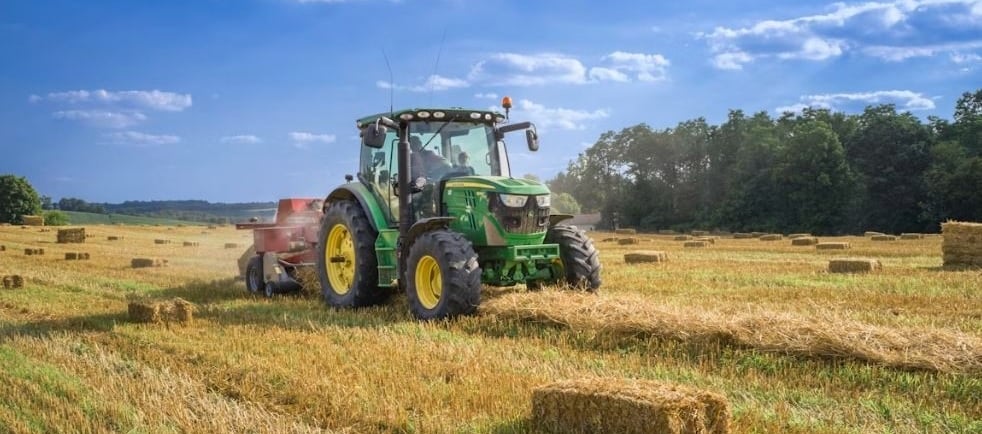
Under planning law, the use of land for agriculture and forestry is generally not classed as “development” at all. That means many agricultural uses don’t require planning permission in the first place.
This exemption is powerful—but it isn’t unlimited.
The key question is always:
Is what’s happening on the land genuinely agricultural in planning terms?
If the answer is yes, planning permission may not be required. If the answer is no, then the normal planning rules apply—even if the land has always been called “farmland”.
What Planning Law Actually Means by “Agriculture”
Planning law has its own definition of agriculture, set out in statute. It includes things like:
Growing crops
Horticulture
Fruit growing
Seed growing
Dairy farming
The breeding and keeping of livestock
Grazing land
So far, so familiar.
But two points often surprise people:
1. Agriculture Is About the Activity, Not the Label
It doesn’t matter what the land is called on the title deeds, or how it’s described in an estate agent’s particulars. Planning looks at what is actually happening on the ground.
2. It Doesn’t Have to Be a Big Business
Agriculture doesn’t have to be a large commercial operation. The law doesn’t require it to be profitable—or even particularly efficient. What matters is the nature of the activity, not its scale or success.
That said, not everything that happens in the countryside qualifies.
The Horse Problem: Why Horses Aren’t “Agriculture”
One of the most common planning misconceptions involves horses.
Many people assume that because horses graze grass, keeping them must be agricultural. In planning law, that is not the case.
Only genuine working horses, which fall within a tight definition, might count as agriculture.
The courts have been clear:
The breeding and keeping of horses is not agriculture.
Why? Because horses are not classed as livestock for agricultural purposes. Equestrian activities are treated as leisure or recreation, not farming.
Simply grazing horses in a field generally falls under accepted agricultural use and does not require planning permission.
However, any facilities or structures for keeping, sheltering or breeding horses are likely to mandate approval.
Keeping horses involves more than just grazing - it often incorporates stables, shelters, yards, breeding and training facilities. These bring potential changes in use that require planning consent.
This catches people out time and again.
When Farmland Becomes Something Else
Another major grey area is diversification—particularly farm shops, food processing, and sales.
Farm Shops: When Are They Still Agricultural?
A farm shop can be incidental to agriculture, especially where it sells produce grown on the farm itself.
But there’s a tipping point.
Once a significant proportion of goods are imported from elsewhere, the use is likely to become a separate retail use in planning terms.
There’s no fixed percentage. Planners look at this as a matter of fact and degree, considering:
Where the goods come from
How much is produced on site
The scale of the operation
How it presents to customers
A small shop selling mostly your own produce may still be agricultural in character. A large retail operation selling mostly bought-in goods probably isn’t.
Food Processing: What’s Allowed?
Processing your own produce can sometimes still fall within agriculture.
For example:
Making cider from apples grown on the farm
Producing juice or wine from your own crops
Courts have accepted that these activities can be ordinarily incidental to farming.
But there are limits.
Agriculture is about production, not buying and selling. Once you start:
Importing produce to process
Operating at an industrial scale
Running a business that looks more like manufacturing or retail
…you are likely to step outside agriculture and into a separate planning use.
Leisure Plots, Storage, and Other Non-Agricultural Uses
Some activities are clearly not agricultural, even if they take place on farmland.
Examples include:
Leisure plots
Commercial storage unrelated to farming
Lairage or storage of grain reserves not connected to on-site production
The test is always whether the activity is part of the productive processes of agriculture. If it isn’t, the exemption is unlikely to apply.
Agricultural Buildings and Permitted Development Rights
So far, we’ve been talking about use. Buildings are a separate issue.
Many agricultural buildings and works benefit from permitted development (PD) rights, meaning they can be built without a full planning application, subject to conditions and limitations.
But this is where things get confusing.
PD Rights Are Narrower Than “Agriculture”
The legal definition of agriculture is broad. PD rights are more restrictive.
For example:
PD buildings must be “reasonably necessary for the purposes of agriculture”
PD rights usually apply only where agriculture is operating as a trade or business
There are size limits, location restrictions, and prior approval requirements
This leads to an important point.
Failing PD Does Not Mean Failing Planning
A development might:
Not qualify as permitted development
Still be acceptable in planning terms
These are two different tests.
A building might not be “reasonably necessary” to qualify for PD, but still be clearly related to a genuine agricultural use and capable of being justified through a planning application.
If a planning application is submitted, proposals would still need to comply with the planning policies in the adopted local plan.
Problems arise when people mix these tests together—especially in appeals or objections.
Common Traps People Fall Into
Over the years, certain misunderstandings come up again and again:
“It’s on farmland, so it must be agricultural”
“Horses count as farming”
“Farm shops don’t need planning permission”
“If it’s not permitted development, it must be refused”
“Calling it agriculture makes it agriculture”
Unfortunately, none of these are true.
Planning law looks past labels and assumptions. It focuses on what is actually happening, how it functions, and what its real impacts are.
Why This All Matters
Getting the agricultural definition wrong can have real consequences:
Enforcement action requiring uses to stop
Retrospective planning applications to regularise developments
Problems when selling land or property
Often, issues arise not from bad intentions, but from misunderstanding where the planning boundaries lie.
A Final Thought on Agriculture within the Planning System
Agriculture enjoys a privileged position in planning law—but it isn’t a free-for-all.
The countryside is full of activities that feel agricultural, look rural, and may even be historically linked to farming. But planning law asks a more precise question:
Is this genuinely part of the productive processes of agriculture?
If the answer is yes, the planning system may take a light-touch approach. If not, normal planning controls apply—regardless of how long the land has been farmed.
When in doubt, early advice can save a great deal of trouble later on.
Andrew Ransome MRTPI - Email: andrew@andrewransome.co.uk
About me
Andrew Ransome is is a Planning Director and a Chartered Member of the Royal Town Planning Institute (RTPI), with more than two decades of experience in town planning.
He specialises in delivering strategic planning solutions for complex developments across both rural and urban environments, helping clients navigate planning challenges and unlock development opportunities. Connect with Andrew on Linkedin.




Get in Touch
Email: andrew@andrewransome.co.uk
Tel: 020 7096 8045
London Office:
60 Tottenham Court Road
Fitzrovia
London
W1T 2EW
© 2026 Andrew Ransome Town Planning Ltd. All rights reserved.
Content on this website is provided for general information and educational purposes only and does not constitute formal planning, professional, or legal advice. Planning policies, legislation, and guidance are subject to change. Site-specific assessment by a qualified consultant is recommended before making development decisions.
Projects highlighted across this website represent professional work undertaken by Andrew Ransome throughout his career.