What is Class L of the GPDO? Dwellinghouses to Small HMOs
Class L GPDO allows flexible change between C3 homes and small HMOs (C4) without planning permission. Understand key limits, Article 4 restrictions, and when consent is required to avoid risk and maximise property value.
PERMITTED DEVELOPMENT
Andrew Ransome
4/8/20264 min read
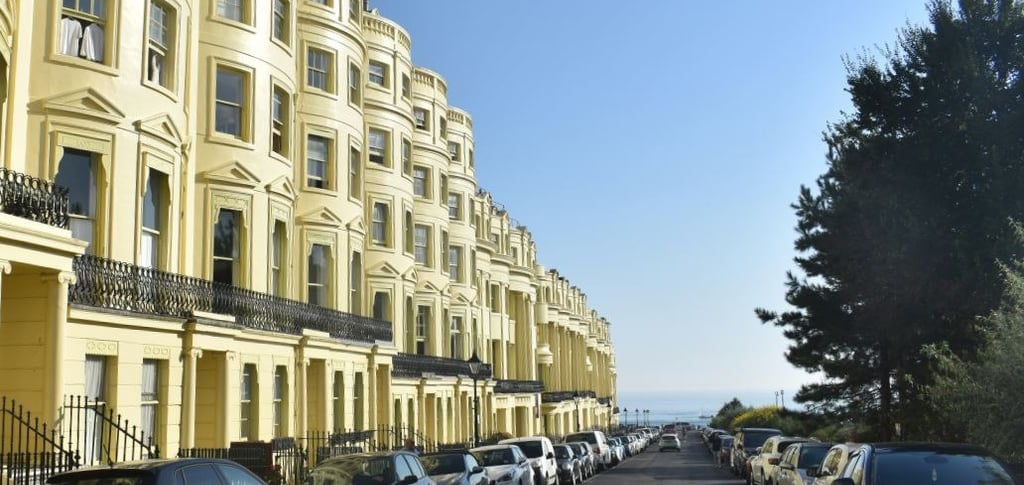
Dwellinghouses to Small HMOs and Vice Versa
Class L from the General Permitted Development Order (GPDO) is particularly relevant for HMO landlords and property owners.
It allows for certain changes of use between dwellings to small houses in multiple occupation (HMOs) thout the need for planning permission, thus providing a degree of flexibility for property use.
How Class L Works
C4 (Small HMO) to C3 (Dwellinghouse)
As a property owner, you are permitted to change the use of a building from a Class C4 HMO to a Class C3 dwellinghouse.
Class C3 includes single dwellinghouses, which are generally used as family homes or residences for up to six people living as a single household.
Class C4 covers small HMOs, which typically include properties occupied by 3–6 unrelated individuals sharing basic amenities.
This regulation means that if you own a small HMO, you can convert it into a single dwellinghouse without applying for planning permission—ideal for responding to shifting rental demand or preparing a property for sale on the open market.
C3 (Dwellinghouse) to C4 (Small HMO)
You are also allowed to change the use of a building from a Class C3 dwellinghouse to a Class C4 HMO.
This change is particularly advantageous in areas with high demand for shared housing, such as near universities or in city centres, allowing you to adapt your property portfolio to meet market needs without the administrative burden of obtaining planning consent.
Key Class L Restrictions
It's important to be aware of the restrictions outlined in the regulation:
No subdivision: Development is not permitted if it would result in the conversion of a single HMO into two or more separate dwellinghouses. You cannot convert a single Class C3 dwellinghouse into two or more separate Class C4 HMOs.
Six-person cap: An HMO with more than 6 persons (large HMO, sui generis) would require full planning permission.
Article 4 Directions: Many councils have removed these rights entirely in specific areas (see below).
Prior conditions: Rights may be removed by a condition on a previous planning permission (common on new builds).
Understanding these regulations is crucial for making informed decisions about property use and investment.
Article 4 Directions: When Class L Rights Are Removed
While Class L permitted development rights offer a streamlined route, these rights are not universal. Many local planning authorities have issued Article 4 Directions that remove these permitted development rights, requiring full planning permission for any change of use between C3 and C4.
What Is an Article 4 Direction?
An Article 4 Direction is a planning tool that allows local councils to remove specific permitted development rights in defined areas. When an Article 4 Direction covers Class L rights:
Full planning permission is required for C3 to C4 changes (no prior approval route)
The council might then assess impacts on local character, housing mix, and amenity etc
Councils typically introduce Article 4 Directions to:
Prevent overconcentration of HMOs in specific neighbourhoods
Protect family housing stock from conversion to shared accommodation
Control cumulative impacts on parking, waste, and local services
Class L rights are increasingly restricted across high-demand areas, such as in London, where many of the boroughs have removed these rights borough-wide via Article 4 Directions.
Class L Legislation in Full
Class L – small HMOs to dwellinghouses and vice versa
Permitted development
L. Development consisting of a change of use of a building—
(a) from a use falling within Class C4 (houses in multiple occupation) of the Schedule to the Use Classes Order, to a use falling within Class C3 (dwellinghouses) of that Schedule;
(b) from a use falling within Class C3 (dwellinghouses) of the Schedule to the Use Classes Order, to a use falling within Class C4 (houses in multiple occupation) of that Schedule.
Development not permitted
L.1 Development is not permitted by Class L if it would result in the use—
(a) as two or more separate dwellinghouses falling within Class C3 (dwellinghouses) of the Schedule to the Use Classes Order of any building previously used as a single dwellinghouse falling within Class C4 (houses in multiple occupation) of that Schedule; or
(b) as two or more separate dwellinghouses falling within Class C4 (houses in multiple occupation) of that Schedule of any building previously used as a single dwellinghouse falling within Class C3 (dwellinghouses) of that Schedule.
The Importance of Professional Advice
Class L permitted development rights are a powerful tool for HMO landlords and property investors, delivering unmatched flexibility, significant cost savings, and rapid deployment. However, with dozens of councils having removed these rights via Article 4 Directions, thorough due diligence is no longer optional; it's essential.
Always verify your property's specific status, consider applying for a Certificate of Lawfulness forcertainty, and engage specialist planning advice before proceeding.
Navigating permitted development rights, especially amid complex and ever-changing Article 4 restrictions, demands expert knowledge—and the cost of getting it wrong (enforcement action, abortive works, lost rental income) far exceeds the modest investment in professional guidance.
Andrew Ransome MRTPI - Email: andrew@andrewransome.co.uk
About me
Andrew Ransome is a Planning Director and a Chartered Member of the Royal Town Planning Institute (RTPI), with more than two decades of experience in town planning.
He specialises in delivering strategic planning solutions for complex developments across both rural and urban environments, helping clients navigate planning challenges and unlock development opportunities. Connect with Andrew on Linkedin.




Get in Touch
Email: andrew@andrewransome.co.uk
Tel: 020 7096 8045
London Office:
60 Tottenham Court Road
Fitzrovia
London
W1T 2EW
© 2026 Andrew Ransome Town Planning Ltd. All rights reserved.
Content on this website is provided for general information and educational purposes only and does not constitute formal planning, professional, or legal advice. Planning policies, legislation, and guidance are subject to change. Site-specific assessment by a qualified consultant is recommended before making development decisions.
Projects highlighted across this website represent professional work undertaken by Andrew Ransome throughout his career.