14 Houses Approved in Thurrock's Green Belt
Planning permission secured for 14 dwellings in the Metropolitan Green Belt, Stanford-le-Hope. A complex case overcoming Green Belt policy through very special circumstances, improved openness, and sensitive design adjacent to a Grade II* listed building.
PLANNING APPROVALSTHURROCKESSEXGREEN BELT APPROVALS
Andrew Ransome
6/2/20262 min read
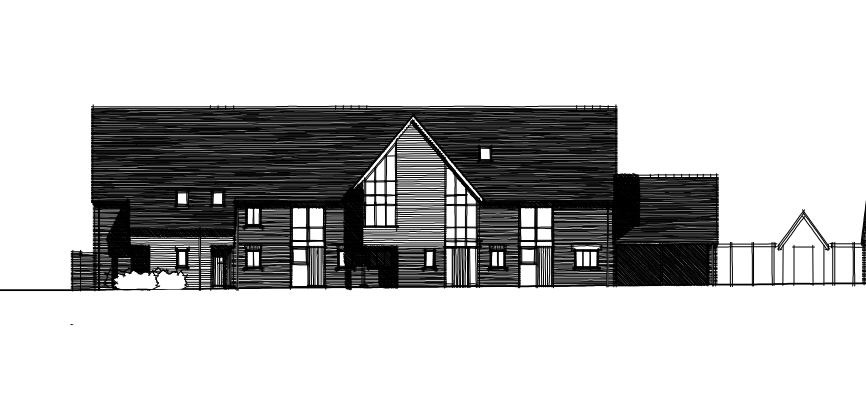
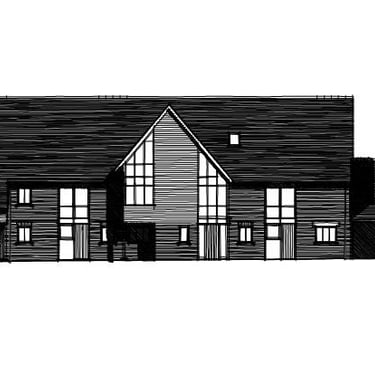
In 2011, I secured planning permission for fourteen new dwellings on a former farmstead adjacent to St Clere's Hall, Stanford-le-Hope — a site within the Metropolitan Green Belt that presented a more complex planning challenge.
The farmyard, long divorced from its agricultural purpose by the formation of the adjoining golf course, had become an eyesore of dilapidated buildings and stored machinery.
The central question was not design or highways or ecology, but whether very special circumstances existed that would justify new housing in the Green Belt at all.
Overcoming Green Belt Issues
Green Belt policy is among the most stringent in the planning system, and PPG2 was unambiguous: housing is not appropriate development unless very special circumstances can be clearly demonstrated to outweigh the harm. I built that case on several interlocking arguments.
The site was not open Green Belt in any meaningful sense — it sat at the urban edge of Stanford-le-Hope, enclosed by the golf course to the south and St Clere's Hall to the west, already heavily developed with large agricultural buildings.
The proposed development would actually improve openness: approximately thirty percent of the site would become green and landscaped, and the new buildings would be considerably lower than the grain store they replaced.
Far from harming the Green Belt, the scheme would deliver a visual improvement to a prominent edge-of-town frontage.
I also demonstrated a significant shortfall in Thurrock's five-year housing supply.
Heritage and Design Considerations
The design response reinforced the planning case.
Narrow-span buildings, steep roof pitches, brick and weatherboarding, and a courtyard layout set behind an open green frontage drew convincingly from the farmyard's rural character, while keeping all new buildings subservient to the listed Hall.
The Conservation Advisor confirmed no adverse impact on St Clere's Hall's setting.
Permission was granted subject a Section 106 infrastructure contribution, and conditions protecting the listed building, the protected trees, and the ecology of the site.
Planning Application Advice
If you have a development project in the Green Belt and require expert planning advice, contact me to discuss how I can help secure planning permission and unlock your site’s potential.
Andrew Ransome MRTPI - Email: andrew@andrewransome.co.uk
About me
Andrew Ransome is a Planning Director and a Chartered Member of the Royal Town Planning Institute (RTPI), with more than two decades of experience in town planning.
He specialises in delivering strategic planning solutions for complex developments across both rural and urban environments, helping clients navigate planning challenges and unlock development opportunities. Connect with Andrew on Linkedin.


Planning Successes in the Green Belt
Planning Application Information


Get in Touch
Email: andrew@andrewransome.co.uk
Tel: 020 7096 8045
London Office:
60 Tottenham Court Road
Fitzrovia
London
W1T 2EW
© 2026 Andrew Ransome Town Planning Ltd. All rights reserved.
Content on this website is provided for general information and educational purposes only and does not constitute formal planning, professional, or legal advice. Planning policies, legislation, and guidance are subject to change. Site-specific assessment by a qualified consultant is recommended before making development decisions.
Projects highlighted across this website represent professional work undertaken by Andrew Ransome throughout his career.