Change of Use to Motor Vehicle Sales in Eastbourne
Planning permission from Eastbourne Borough Council for a sui generis motor trade change of use of a vacant industrial unit in Eastbourne, overcoming employment retention policy through vacancy evidence, a sequential test and a design-led approach to elevational improvements.
PLANNING APPROVALSEASTBOURNEEAST SUSSEX
Andrew Ransome
7/8/20262 min read
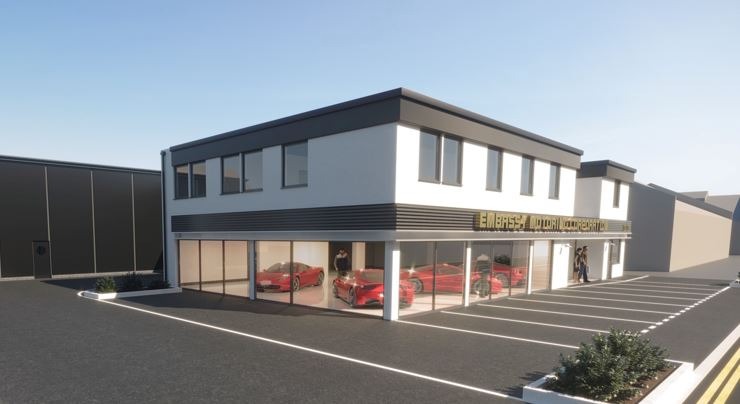
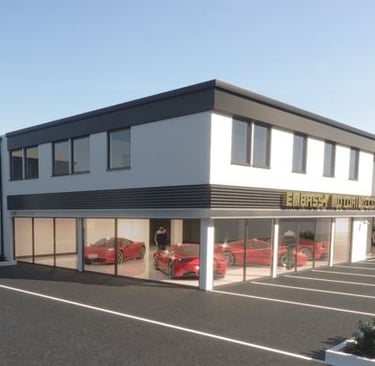
In 2020, I secured planning approval from Eastbourne Borough Council for a change of use of a vacant industrial unit to a sui generis motor trade use — comprising a car sales showroom, vehicle hire, MOT testing, servicing, body repair and valet — after a previous application for D2 leisure use had been refused on employment retention grounds.
The case was resolved through vacancy and demand evidence, a sequential test for motor trade premises, and a design case demonstrating the change of use would enhance the industrial estate's appearance.
Change of Use in Eastbourne to Motor Trade
I secured planning permission from Eastbourne Borough Council for the change of use of a vacant industrial unit to a sui generis motor trade use, encompassing a car sales showroom, vehicle hire, MOT testing, servicing, body repair centre and valet.
The unit had been vacant for several months and required significant investment to bring it back into active use. Despite this, the Council had previously refused a separate application for a D2 leisure use on employment retention grounds, citing its policy of protecting traditional Class B uses on the site.
The motor trade proposal required a different approach.
A motor trade use is sui generis — it falls outside any standard use class and therefore requires its own planning permission, but it also generates employment and is commercially active in a way that leisure uses are not.
Two strands of evidence were developed to address the Council's employment retention concern.
First, an extended vacancy and demand analysis demonstrated that the unit had attracted no commercial interest from Class B1, B2 or B8 occupiers despite being available for a prolonged period — undermining the policy rationale for continued protection.
Second, a sequential test was carried out establishing that no other suitable site within the Eastbourne area was available to accommodate the proposed motor trade operation, making this unit the only realistic option.
On design, it was argued — and accepted — that the proposed motor trade use would in fact enhance the appearance of the industrial estate.
Physical alterations were proposed to modernise the tired external elevations, improving the building's frontage and contributing positively to the character of the wider commercial area.
Technical matters including noise, flood risk and parking were addressed through specialist reports, demonstrating no adverse impact on neighbouring businesses or the highway network.
Eastbourne Borough Council approved the application.
Planning Application Advice
If an employment retention policy is blocking a viable change of use, vacancy evidence and a sequential test can often provide the evidential foundation needed to overcome it. Contact me to discuss your project.
Andrew Ransome MRTPI - Email: andrew@andrewransome.co.uk
About me
Andrew Ransome is a Planning Director and a Chartered Member of the Royal Town Planning Institute (RTPI), with more than two decades of experience in town planning.
He specialises in delivering strategic planning solutions for complex developments across both rural and urban environments, helping clients navigate planning challenges and unlock development opportunities. Connect with Andrew on Linkedin.


Planning Successes in East Sussex
Planning Application Information


Get in Touch
Email: andrew@andrewransome.co.uk
Tel: 020 7096 8045
London Office:
60 Tottenham Court Road
Fitzrovia
London
W1T 2EW
© 2026 Andrew Ransome Town Planning Ltd. All rights reserved.
Content on this website is provided for general information and educational purposes only and does not constitute formal planning, professional, or legal advice. Planning policies, legislation, and guidance are subject to change. Site-specific assessment by a qualified consultant is recommended before making development decisions.
Projects highlighted across this website represent professional work undertaken by Andrew Ransome throughout his career.