Class Q Prior Approval Granted by Colchester for a Barn Conversion in West Mersea
Class Q prior approval from Colchester City Council for the conversion of a 20th-century steel-framed barn to a residential dwelling in West Mersea, Essex overcoming strict local barn conversion policies through a systematic permitted development approach.
PRIOR APPROVAL SUCCESSESCOLCHESTERESSEX
Andrew Ransome
7/1/20262 min read
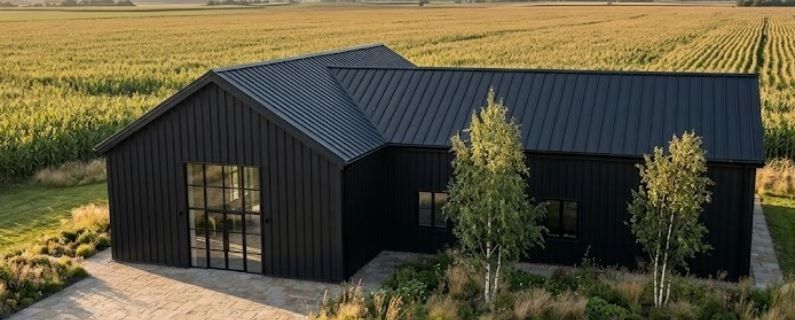
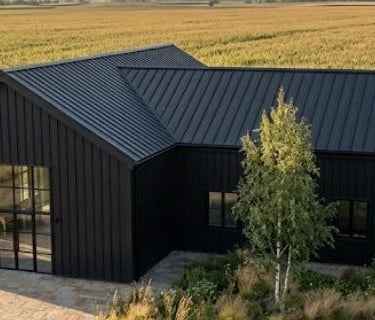
In 2019, Colchester City Council granted Class Q prior approval for the conversion of a 20th-century steel-framed barn to a new residential dwelling in rural Essex. Local planning policies would not normally have supported this type of conversion through the standard planning route.
The case was resolved through a systematic Class Q permitted development approach that demonstrated each eligibility criterion was met, with structural soundness as the critical consideration.
Prior Approval Class Q in Colchester
Class Q prior approval was obtained from Colchester City Council for the conversion of an existing barn to create a new residential dwelling in rural Essex.
The barn in question was of 20th-century construction, with a steel frame and metal cladding — a type of agricultural building that Colchester's local planning policies would not normally support for conversion to residential use under the standard planning permission route.
Class Q is a permitted development right that allows agricultural buildings to change use to residential without a full planning application, subject to certain eligibility criteria and a prior approval assessment process.
The local planning authority can only consider specified matters in a Class Q application — principally transport and highways impacts, noise impacts, contamination and flooding risks, and the design and external appearance of the building — rather than conducting a full policy assessment. This significantly narrows the scope of potential objections and makes Class Q a powerful route where standard planning policies would otherwise resist the conversion.
The key eligibility requirement that most frequently determines whether Class Q is achievable is structural soundness: the building must be capable of conversion without being effectively demolished and rebuilt.
A systematic application was prepared, working through each of the Class Q criteria in sequence and demonstrating compliance. The structural assessment confirmed that the barn was capable of residential conversion within its existing fabric — the critical finding that unlocked the prior approval route.
Planning Application Advice
If you own a barn or other agricultural building in a rural location and want to understand whether Class Q permitted development rights apply, I can assess eligibility and manage the prior approval process. Contact me to discuss your building.
Andrew Ransome MRTPI - Email: andrew@andrewransome.co.uk
About me
Andrew Ransome is a Planning Director and a Chartered Member of the Royal Town Planning Institute (RTPI), with more than two decades of experience in town planning.
He specialises in delivering strategic planning solutions for complex developments across both rural and urban environments, helping clients navigate planning challenges and unlock development opportunities. Connect with Andrew on Linkedin.


Prior Approval Successes
Prior Approval Information


Get in Touch
Email: andrew@andrewransome.co.uk
Tel: 020 7096 8045
London Office:
60 Tottenham Court Road
Fitzrovia
London
W1T 2EW
© 2026 Andrew Ransome Town Planning Ltd. All rights reserved.
Content on this website is provided for general information and educational purposes only and does not constitute formal planning, professional, or legal advice. Planning policies, legislation, and guidance are subject to change. Site-specific assessment by a qualified consultant is recommended before making development decisions.
Projects highlighted across this website represent professional work undertaken by Andrew Ransome throughout his career.