Colchester Grants S73 to Allow Barn to be Used as Dwelling
Section 73 Planning permission from Colchester City Council secures the removal of a restrictive occupancy condition on a rural barn conversion, allowing flexible use as an independent dwelling, holiday let, or short-term rental in accordance with national planning policy.
PLANNING APPROVALSCOLCHESTERESSEX
Andrew Ransome
7/15/20262 min read
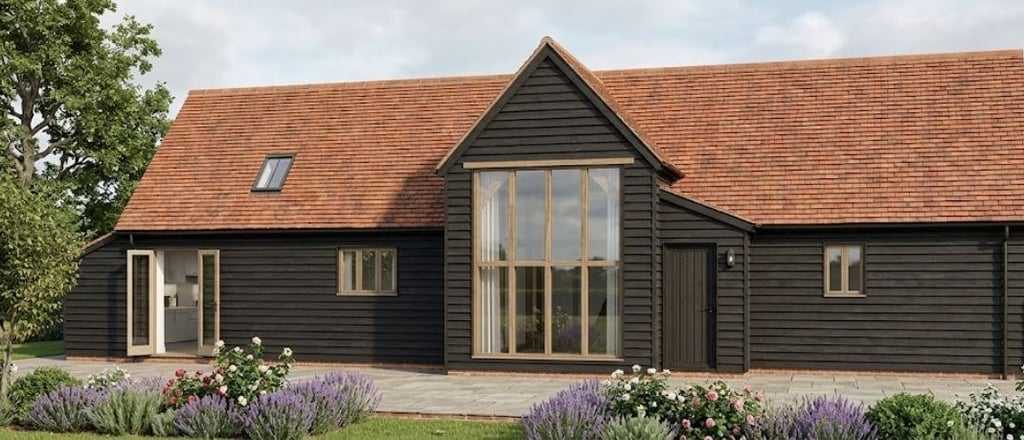
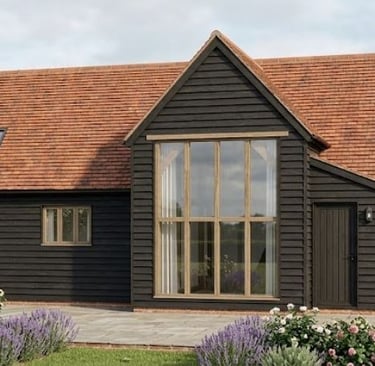
In 2021, I secured the removal of a restrictive planning condition attached to a converted barn at Great Wigborough, Colchester enabling the property to be used more flexibly as an independent dwelling, holiday let, short-term rental, or family accommodation.
The application demonstrated that the condition no longer met the tests set out within the National Planning Policy Framework (NPPF), particularly as the approved conversion already provided all the characteristics of a separate residential unit with its own curtilage, facilities, and independent living arrangements.
Securing Greater Flexibility for a Rural Barn Conversion
I successfully prepared and submitted a Section 73 application seeking the removal of an occupancy restriction attached to a listed barn conversion at Great Wigborough, Colchester.
The original planning permission allowed the conversion of the barn into residential accommodation but restricted occupation solely to dependants of the main dwelling.
While the building was intended to continue functioning as family accommodation when required, the restrictive wording significantly limited the owner’s flexibility in how the property could otherwise be used.
The approved barn conversion already contained all the characteristics of an independent dwelling. The building included two bedrooms, kitchen facilities, shower rooms, living accommodation, private amenity space and dedicated parking.
Importantly, it was physically separated from the main house by approximately 45 metres and enclosed within its own distinct curtilage.
The application argued that the occupancy condition was no longer necessary and failed to meet the six planning tests set out within the National Planning Policy Framework. In practice, the approved scheme already operated as a self-contained residential unit regardless of who occupied it.
The planning case also demonstrated that the proposal aligned with Paragraph 79 of the NPPF, which supports the re-use of redundant rural buildings and subdivision of existing residential properties in appropriate circumstances.
The successful outcome provided the client with significantly greater flexibility, allowing the barn to function as family accommodation, a holiday let, or short-term rental property while continuing to preserve the character and setting of the rural site.
Planning Application Advice
If you have a listed barn or rural building where Class Q is unavailable, contact me to discuss your building.
Andrew Ransome MRTPI - Email: andrew@andrewransome.co.uk
About me
Andrew Ransome is a Planning Director and a Chartered Member of the Royal Town Planning Institute (RTPI), with more than two decades of experience in town planning.
He specialises in delivering strategic planning solutions for complex developments across both rural and urban environments, helping clients navigate planning challenges and unlock development opportunities. Connect with Andrew on Linkedin.


Planning Approvals in Colchester
Planning Application Information


Get in Touch
Email: andrew@andrewransome.co.uk
Tel: 020 7096 8045
London Office:
60 Tottenham Court Road
Fitzrovia
London
W1T 2EW
© 2026 Andrew Ransome Town Planning Ltd. All rights reserved.
Content on this website is provided for general information and educational purposes only and does not constitute formal planning, professional, or legal advice. Planning policies, legislation, and guidance are subject to change. Site-specific assessment by a qualified consultant is recommended before making development decisions.
Projects highlighted across this website represent professional work undertaken by Andrew Ransome throughout his career.