Green Belt Dwelling Approved in Upminster
Planning permission from the London Borough of Havering for a new two-storey, three-bedroom dwelling in the Metropolitan Green Belt near Upminster, by demonstrating that equestrian buildings constitute previously developed land and that the net change in built form would not harm Green Belt openness.
PLANNING APPROVALSGREEN BELT APPROVALSHAVERINGLONDON
Andrew Ransome
7/14/20262 min read
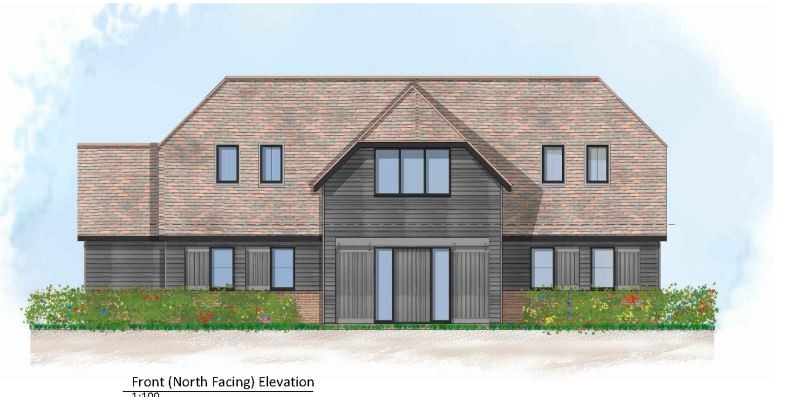
In 2022, I secured planning permission from the London Borough of Havering for a new two-storey, three-bedroom dwelling in the Metropolitan Green Belt near Upminster, on land used for equestrian purposes.
I demonstrated that the existing equestrian buildings fell within the definition of previously developed land under the NPPF, and that despite the proposed dwelling being larger than the structures it replaced, the overall change in built form would not be harmful to the openness of the Green Belt.
Green Belt Redevelopment in Havering
I secured planning permission from the London Borough of Havering for a new dwelling in the Metropolitan Green Belt near Upminster. The application site was a piece of land with a number of single-storey buildings associated with a longstanding equestrian use.
The proposed development involved demolishing those existing structures and erecting a new two-storey, three-bedroom detached dwelling in their place.
Securing new residential development in the Green Belt is one of the most challenging tasks a planning consultant faces.
The NPPF establishes a strong presumption against new buildings in the Green Belt, and states they should only be approved in very special circumstances — unless they fall within one of the defined exceptions.
In this case, the relevant exception was the partial or complete redevelopment of previously developed land, provided the proposal would not have a greater impact on the openness of the Green Belt than the existing development.
The first hurdle was demonstrating that the equestrian buildings were 'previously developed land' for planning purposes.
I set out the planning basis for this, establishing that equestrian uses very rarely fall within an agricultural use classification — and that land and buildings associated with equestrian activities therefore do not benefit from the agricultural land exclusion from the previously developed land definition.
The second hurdle was the openness test. The proposed dwelling was larger than the structures it was replacing in terms of both height and footprint.
However, I provided a detailed comparative analysis demonstrating that — when assessed holistically — the replacement of several scattered single-storey buildings with a single coherent new dwelling would result in an overall decrease in the extent of built form on the site. On balance, the visual impression on the openness of the Green Belt would not be worsened.
The London Borough of Havering accepted this analysis and granted planning permission.
Planning Application Advice
If you have a site in the Green Belt and are wondering about the development potential, I can advise on whether the previously developed land exception applies. Contact me to discuss your site.
Andrew Ransome MRTPI - Email: andrew@andrewransome.co.uk
About me
Andrew Ransome is a Planning Director and a Chartered Member of the Royal Town Planning Institute (RTPI), with more than two decades of experience in town planning.
He specialises in delivering strategic planning solutions for complex developments across both rural and urban environments, helping clients navigate planning challenges and unlock development opportunities. Connect with Andrew on Linkedin.


Planning Approvals in London
Planning Application Information


Get in Touch
Email: andrew@andrewransome.co.uk
Tel: 020 7096 8045
London Office:
60 Tottenham Court Road
Fitzrovia
London
W1T 2EW
© 2026 Andrew Ransome Town Planning Ltd. All rights reserved.
Content on this website is provided for general information and educational purposes only and does not constitute formal planning, professional, or legal advice. Planning policies, legislation, and guidance are subject to change. Site-specific assessment by a qualified consultant is recommended before making development decisions.
Projects highlighted across this website represent professional work undertaken by Andrew Ransome throughout his career.