Havering Approves Conversion of a Stable in the Green Belt
Planning permission from the London Borough of Havering for the residential conversion of a redundant stable barn in the Metropolitan Green Belt on the London–Essex border, as a self-build project, by demonstrating the building constituted previously developed land and was of permanent and substantial construction.
PLANNING APPROVALSHAVERINGLONDONGREEN BELT APPROVALS
Andrew Ransome
7/9/20262 min read
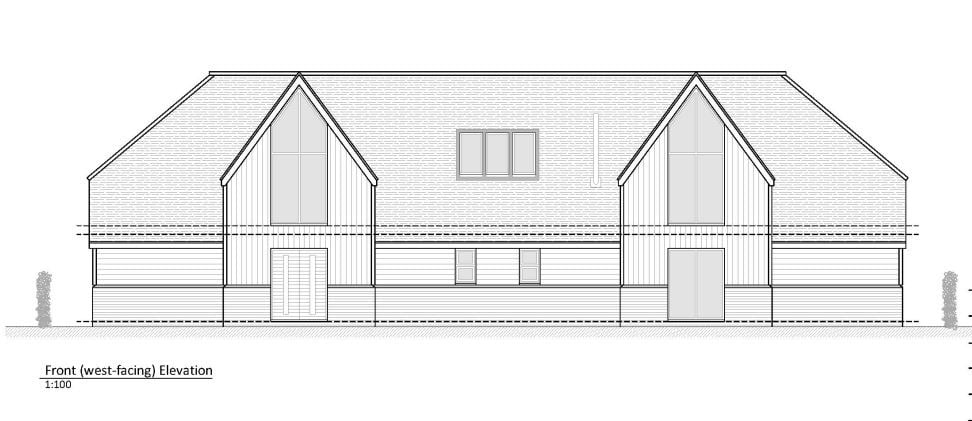
In 2020, I secured planning permission from the London Borough of Havering for the conversion of a redundant stable barn in the Metropolitan Green Belt on the London and Essex border to a new residential dwelling, as a self-build project.
The case was resolved by demonstrating that stable buildings — unlike agricultural buildings — fall within the definition of previously developed land for planning purposes, and that the barn was of permanent and substantial construction, bringing it within the NPPF's Green Belt exception for the reuse of existing buildings.
Stable Conversion in the Havering Green Belt
I secured planning permission from from the London Borough of Havering for the conversion of a redundant stable barn to a new residential dwelling in the Metropolitan Green Belt, on the rural boundary between London and Essex.
The building had been constructed as a stable but had been vacant and unused for some time.
The client wished to convert it as a self-build project — creating a bespoke home in a rural setting whilst putting a redundant building back into productive use.
The Metropolitan Green Belt applies one of the most restrictive development policy regimes in the country. New buildings in the Green Belt are inappropriate development under the NPPF and will only be approved in very special circumstances.
However, the NPPF also identifies specific categories of development that are not inappropriate in the Green Belt — and one of these is the reuse of existing buildings, provided they are of permanent and substantial construction and the works do not have a greater impact on the openness of the Green Belt than the existing use.
A critical and often misunderstood point in cases like this is the planning status of stable buildings.
Unlike agricultural buildings, which are explicitly excluded from the definition of previously developed land, stable buildings very rarely fall within an agricultural use. They therefore fall within the definition of previously developed land for planning purposes — a significant material consideration when assessing proposals in the Green Belt, and one that was carefully articulated in the planning case presented to the London Borough of Havering.
The planning argument established that the stable barn met the NPPF's reuse exception: it was of permanent and substantial construction, the proposed residential conversion would not increase the building's footprint, and the works would not result in a greater impact on the openness of the Green Belt.
The London Borough of Havering approved the application, delivering a new self-build home in a rural Green Belt location.
Planning Application Advice
If you have a redundant building in the Green Belt and are considering a residential conversion, the planning case depends heavily on how the building is classified and whether it meets the NPPF's reuse criteria. I can advise on the prospects and manage the application. Contact me to discuss your building.
Andrew Ransome MRTPI - Email: andrew@andrewransome.co.uk
About me
Andrew Ransome is a Planning Director and a Chartered Member of the Royal Town Planning Institute (RTPI), with more than two decades of experience in town planning.
He specialises in delivering strategic planning solutions for complex developments across both rural and urban environments, helping clients navigate planning challenges and unlock development opportunities. Connect with Andrew on Linkedin.


Green Belt Planning Successes
Planning Application Information


Get in Touch
Email: andrew@andrewransome.co.uk
Tel: 020 7096 8045
London Office:
60 Tottenham Court Road
Fitzrovia
London
W1T 2EW
© 2026 Andrew Ransome Town Planning Ltd. All rights reserved.
Content on this website is provided for general information and educational purposes only and does not constitute formal planning, professional, or legal advice. Planning policies, legislation, and guidance are subject to change. Site-specific assessment by a qualified consultant is recommended before making development decisions.
Projects highlighted across this website represent professional work undertaken by Andrew Ransome throughout his career.