Planning Permission Granted by Colchester for a Rural Agricultural Worker's Dwelling
Planning permission from Colchester City Council for a rural agricultural worker's mobile dwelling unit in Essex for a cattle farmer, overcoming outdated local plan policy requirements through NPPF case law arguments.
PLANNING APPROVALSCOLCHESTERESSEX
Andrew Ransome
7/1/20262 min read
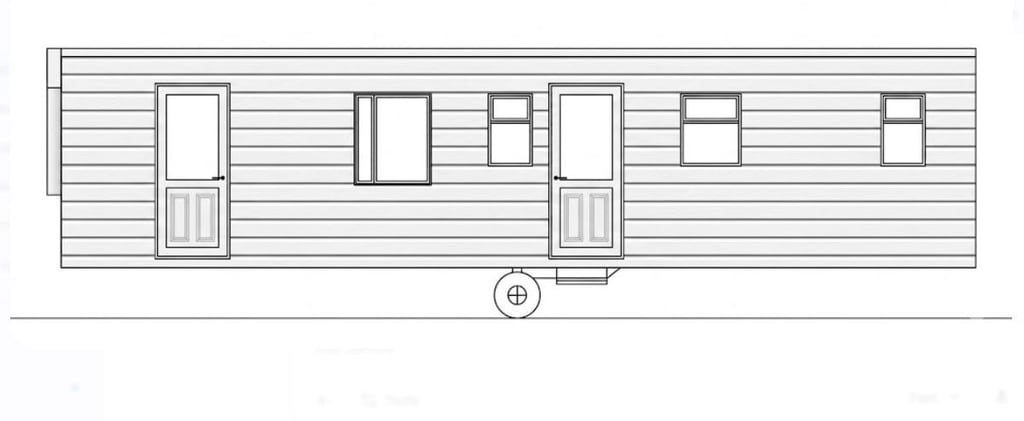
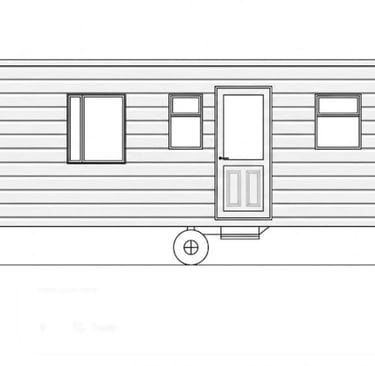
In 2019, Colchester City Council approved temporary planning permission for a mobile unit to be used as an agricultural worker's dwelling alongside an existing farmyard in Essex.
The case overcame a local plan policy pre-dating the NPPF whose requirements were shown through case law to be partially out of date, and was resolved through a comprehensive account of the functional need for on-site accommodation for a cattle farming operation.
Rural Workers Dwelling in Colchester
Temporary planning permission was secured from Colchester City Council for a rural agricultural worker's dwelling — a temporary mobile unit placed alongside existing farmyard buildings — to enable a cattle farmer to live on site and supervise their farming enterprise.
Planning permission for rural workers' dwellings is one of the most scrutinised categories of rural application, and securing it demands a thorough and well-evidenced case.
The Council's local plan contained a specific policy covering agricultural workers' dwellings that predated the National Planning Policy Framework.
That policy required applications to be supported by evidence across four criteria:
the nature of the farming enterprise and its future intentions;
the essential functional need for on-site accommodation;
whether the enterprise was planned on a sound financial basis; and
evidence that no other suitable dwellings were available nearby.
Importantly, research identified relevant case law establishing that not all of these policy requirements remained consistent with national planning policy — an argument that was successfully advanced in the planning statement, giving the case officer a proper basis on which to apply greater flexibility.
The functional need case was built from a detailed account of the farming operation.
It demonstrated that the cattle farming enterprise required someone to be present on site around the clock — to manage animal welfare, including feeding, diet and monitoring of behavioural patterns; to provide site security against rural crime; and to fulfil the full-time operational demands that extend well beyond standard working hours.
A research exercise also established that no other suitable dwelling existed within a reasonable distance of the farm.
Colchester City Council accepted the case and granted temporary planning permission — a common first step for agricultural worker dwellings, allowing the enterprise to demonstrate its long-term viability before a permanent consent is sought.
Planning Application Advice
If you need to demonstrate a functional need for a rural worker's dwelling, the quality of the evidence and the clarity of the planning argument are critical. I can advise on the requirements and manage the application from start to finish. Contact me to discuss your circumstances.
Andrew Ransome MRTPI - Email: andrew@andrewransome.co.uk
About me
Andrew Ransome is a Planning Director and a Chartered Member of the Royal Town Planning Institute (RTPI), with more than two decades of experience in town planning.
He specialises in delivering strategic planning solutions for complex developments across both rural and urban environments, helping clients navigate planning challenges and unlock development opportunities. Connect with Andrew on Linkedin.


Planning Successes in Colchester
Planning Application Information


Get in Touch
Email: andrew@andrewransome.co.uk
Tel: 020 7096 8045
London Office:
60 Tottenham Court Road
Fitzrovia
London
W1T 2EW
© 2026 Andrew Ransome Town Planning Ltd. All rights reserved.
Content on this website is provided for general information and educational purposes only and does not constitute formal planning, professional, or legal advice. Planning policies, legislation, and guidance are subject to change. Site-specific assessment by a qualified consultant is recommended before making development decisions.
Projects highlighted across this website represent professional work undertaken by Andrew Ransome throughout his career.