Permission in Principle Approved by Colchester City Council for a Single Dwelling in Great Tey
Permission in Principle from Colchester City Council for a single dwelling on land at Great Tey, Essex, within the defined settlement boundary, demonstrating compliance with national and local planning policy in principle before committing to technical survey costs.
PLANNING APPROVALSCOLCHESTERESSEXPERMISSION IN PRINCIPLE
Andrew Ransome
7/17/20262 min read
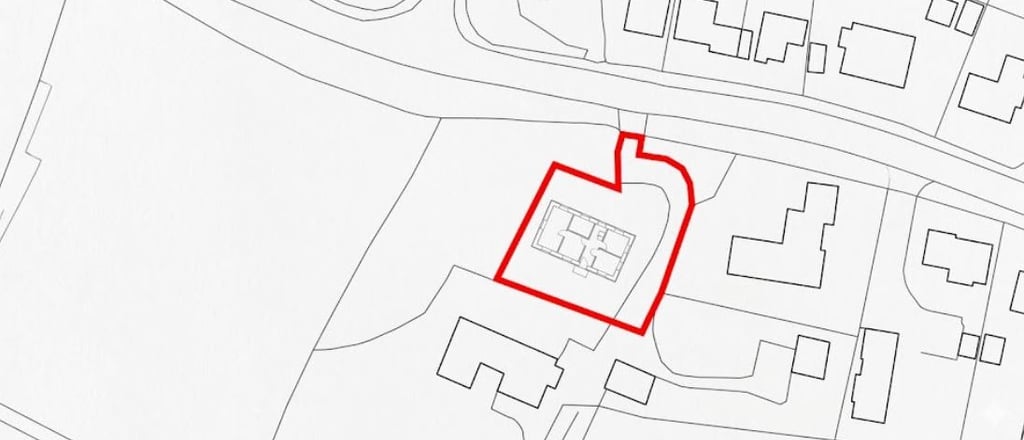
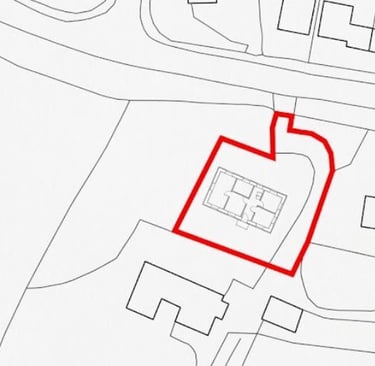
In 2022, Colchester City Council approved a Permission in Principle application for a single dwelling on land at Great Tey, Essex.
The site was within the defined settlement boundary in the adopted local plan, but had been proposed for removal from that boundary in the emerging plan. I argued successfully that the principle of development remained sound under both the existing and emerging policy frameworks, and that the proposal would sit comfortably within the existing street pattern.
Permission in Principle for a Dwelling in Colchester
I secured Permission in Principle from Colchester City Council for a single dwelling on land at Great Tey in Essex.
Permission in Principle is a two-stage application route that establishes whether residential development is acceptable in principle on a site, before requiring the submission of detailed technical information.
It is particularly well-suited to sites where the principle of development may be contentious — allowing the key policy question to be resolved at low cost before technical surveys are commissioned.
The site presented an interesting policy tension. It sat within the defined settlement boundary in the adopted Colchester Local Plan, meaning the principle of residential development was in theory straightforward.
However, the emerging Colchester Local Plan proposed to remove the site from the settlement boundary — a change that, if adopted, would have made development harder to justify.
My approach was to demonstrate that development remained acceptable under both frameworks.
I also addressed the emerging plan's proposed boundary change, arguing that the absence of the site from the emerging boundary did not outweigh the clear case for development under the adopted framework and national policy.
Colchester City Council agreed the principle of development was sound and approved the Permission in Principle application.
Planning Application Advice
If you have a site where the principle of development is uncertain, Permission in Principle can be a cost-effective way to test it before committing to detailed surveys. Contact me to discuss your site.
Andrew Ransome MRTPI - Email: andrew@andrewransome.co.uk
About me
Andrew Ransome is a Planning Director and a Chartered Member of the Royal Town Planning Institute (RTPI), with more than two decades of experience in town planning.
He specialises in delivering strategic planning solutions for complex developments across both rural and urban environments, helping clients navigate planning challenges and unlock development opportunities. Connect with Andrew on Linkedin.


Planning Approvals in Colchester
Planning Application Information


Get in Touch
Email: andrew@andrewransome.co.uk
Tel: 020 7096 8045
London Office:
60 Tottenham Court Road
Fitzrovia
London
W1T 2EW
© 2026 Andrew Ransome Town Planning Ltd. All rights reserved.
Content on this website is provided for general information and educational purposes only and does not constitute formal planning, professional, or legal advice. Planning policies, legislation, and guidance are subject to change. Site-specific assessment by a qualified consultant is recommended before making development decisions.
Projects highlighted across this website represent professional work undertaken by Andrew Ransome throughout his career.