Prior Approval Applications in Havering
Expert prior approval advice in the London Borough of Havering – for office-to-residential conversions, larger home extensions, agricultural conversions, and other permitted development schemes.
LOCATIONS
Andrew Ransome
4/24/20262 min read
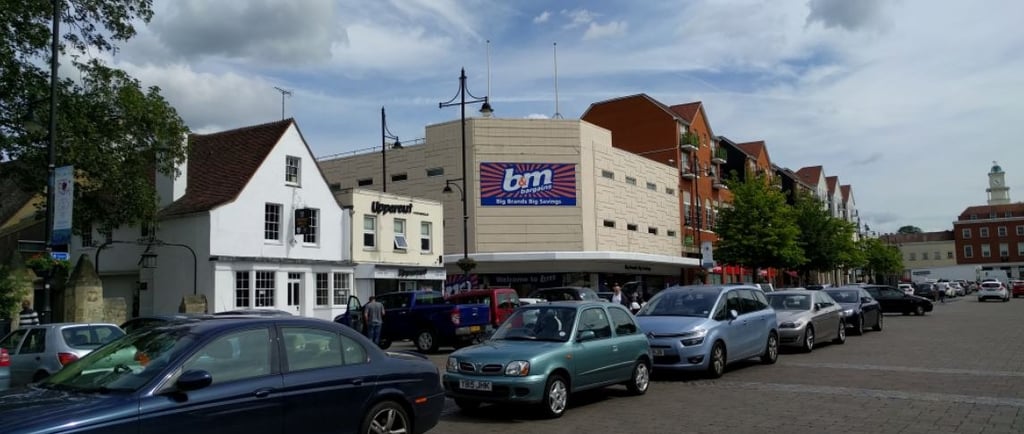
Prior Approval Applications in Romford, Hornchurch and Upminster
Prior approval is a procedure that applies to certain categories of permitted development where the local planning authority has the right to assess specific aspects of the proposal before development begins.
It is a more streamlined process than a full planning application, but it still requires careful preparation and a good understanding of the relevant legislation.
I advise homeowners, developers, and landowners in Havering on prior approval applications, helping to navigate the process efficiently and maximise the prospects of a successful outcome.
Havering's mix of commercial premises, suburban housing, and agricultural land on its eastern fringes means that prior approval is relevant across a wide range of development types in the borough.
Romford Town Centre, in particular, has seen a number of office-to-residential conversions under permitted development rights in recent years.
Havering Council assesses prior approval applications against the specific criteria set out in the Town and Country Planning (General Permitted Development) (England) Order 2015, and I ensure that each application is prepared accordingly.
Types of Prior Approval Application
Example of Prior approval applications I can manage in Havering include:
Class MA – commercial, business, and service use to residential (MA)
Class Q – agricultural buildings to residential dwellinghouses, read about Class Q here.
Class R – agricultural buildings to a flexible commercial use, read about Class R here.
Class A – new homes through upward extensions on flats, read about Class G here.
Class G – conversion of space above commercial units into up to two flats, read about Class G here.
Class ZA - Commercial redeveopment, read about ZA here.
The Prior Approval Process
The prior approval process requires submission of an application to the local planning authority, which then has a set period (typically 56 days depending on the class) to determine whether prior approval is required and, if so, to approve or refuse it.
The council may assess matters such as transport and highways impacts, flooding risk, contamination, noise, and the design and external appearance of the development, depending on the class of permitted development involved.
Read more about the Prior Approval process here. For more information about the prior approval process, read here.
Get Prior Approval in Havering
If you are considering a project that may benefit from the prior approval route in Havering, get in touch for clear, practical advice on your options.
Andrew Ransome MRTPI Email: andrew@adpltd.co.uk | Tel: 01206 242070


Prior Approval Information


Get in Touch
Email: andrew@andrewransome.co.uk
Tel: 020 7096 8045
London Office:
60 Tottenham Court Road
Fitzrovia
London
W1T 2EW
© 2026 Andrew Ransome Town Planning Ltd. All rights reserved.
Content on this website is provided for general information and educational purposes only and does not constitute formal planning, professional, or legal advice. Planning policies, legislation, and guidance are subject to change. Site-specific assessment by a qualified consultant is recommended before making development decisions.
Projects highlighted across this website represent professional work undertaken by Andrew Ransome throughout his career.